Accountability Without Guillotines
Updated: Feb 28
How Strong Leaders Correct Toxic Behavior and Build Real Accountability

In leadership, few words are used more emotionally — or more inaccurately — than accountability.
“I just want accountability.”
“There’s no accountability here.”
“Why are they still here after that mistake?”
Too often, the loudest voices demanding accountability are the ones who resist it when it applies to them.
Let’s define this clearly:
Accountability is not punishment.
Accountability is not perfection.
Accountability is not public execution for correctable mistakes.
That’s reactionary leadership.
And it erodes culture.
What Toxic Accountability Looks Like in the Workplace
Toxic team members often weaponize accountability to control others.
They push for:
Immediate discipline for learning-stage mistakes
Public correction
Zero tolerance for error
Swift consequences for others
But when they are:
Abrupt
Dismissive
Resistant to feedback
Undermining leadership
Intimidating in tone
The narrative shifts.
“That’s just how I am.”“I have high standards.”“High performers don’t need to be managed.”
No.
High performers don’t need micromanagement. But they absolutely need leadership.
Especially in behavior.
Because culture is not protected by productivity.It is protected by evenly applied standards.
What Real Accountability Actually Is
Real accountability follows a pattern:
The issue is identified.
A direct conversation happens.
Ownership is taken.
A correction plan is created.
Behavior changes.
Growth is sustained.
Accountability is not about eliminating mistakes.It is about eliminating denial.
Mistakes are part of growth.Defensiveness is what destroys teams.
Healthy organizations build trust because people feel safe reporting errors quickly — and confident they’ll be coached, not crucified.
Trust rises when standards are consistent.
The High-Performer Trap
Many leadership challenges stem from a specific profile: the fast, capable employee who produces at a high level.
They:
Anticipate needs
Move quickly
Solve problems efficiently
Over time, speed becomes superiority.
They begin measuring everyone else against their pace — not against the actual job standard.
But speed is a strength.It is not the universal benchmark.
Some team members are deliberate processors.They double-check details.They move steadily and thoroughly.
Fast is visible.Consistency is quieter.
And consistency sustains organizations.
Selective excellence — brilliance under pressure but sloppiness in routine moments — is not true high performance.
Professionalism is measured in consistency, not bursts.
The Double Standard That Destroys Culture
Here’s where toxic workplace behavior becomes clear:
Their mistake? “Minor.”
Someone else’s mistake? “Unacceptable.”
Their sharp tone? “Direct.”
Someone else’s hesitation? “Weak.”
This is not accountability.
This is hierarchy disguised as standards.
And uneven standards fracture culture faster than operational errors ever will.
Strong leaders apply accountability evenly — regardless of production level.
So How Do Leaders Correct This?
This is where leadership courage shows up.
You correct it directly. Privately. Clearly.
1. Separate Skill From Behavior
“Your technical performance is strong. Your communication is not meeting our standard.”
Do not dilute this message.
High performers must understand:Productivity does not exempt them from emotional maturity.
2. Define the Actual Standard
Be specific:
No public criticism
No intimidation disguised as urgency
No dismissive tone
No selective enforcement of rules
Standards must be behavioral, not emotional.
“High standards” is not a license to harm.
3. Remove the Comparison Game
Reframe the metric:
“We measure against the role standard — not against the fastest person in the room.”
This protects steady contributors and resets fairness.
4. Enforce Consequences Consistently
If behavior does not change:
Document it
Coach again
Escalate if necessary
Accountability without follow-through is just suggestion.
Teams are watching.
If high performers are protected while others are corrected, credibility collapses.
How Leaders Model Accountability
You cannot demand what you do not demonstrate.
Model it visibly.
When you miss something: “I overlooked that. Here’s how I’ll fix it.”
When you’re sharp under stress: “That tone wasn’t productive. Let me reset.”
When standards drift: “That’s on me. We’re tightening this.”
Ownership from leadership normalizes ownership from everyone else.
Accountability becomes cultural when leaders practice it in real time.
Not defensively.
Not dramatically.
Consistently.
Accountability Is Consistency, Not Severity
Toxic voices push for harshness.
Strong leaders ask better questions:
Is it correctable?
Is there ownership?
Is there improvement?
Is it a pattern?
Is there resistance?
There is a difference between:
A mistake made while learningand
A destructive behavior defended as personality.
One requires coaching.
The other requires consequence.
Growth Over Guillotines
Leadership accountability is not about fear.
It is about clarity.
It is about fairness.
It is about courage.
Strong leaders:
Protect the coachable
Challenge the entitled
Refuse uneven standards
Value consistency over speed
Protect culture over ego
Because leadership is not protecting production.
It is protecting the environment where production can thrive.
When accountability is modeled — not weaponized — teams get stronger.
And when teams get stronger, performance follows.
That’s not soft leadership.
That’s disciplined leadership.
And it is what separates managers from true leaders.
This Is Trainable
If you’re reading this and recognizing your team in these patterns — or recognizing yourself — that’s not failure.
That’s awareness.
And awareness is the starting point of leadership growth.
Holding high performers accountable.Correcting toxic dynamics without overcorrecting into severity.Modeling ownership in real time.Applying standards evenly under pressure.
None of this is instinctive.
It’s trained.
Most leaders were promoted because they were excellent producers — not because they were taught how to recalibrate behavior, reset culture, or confront entitlement without destabilizing performance.
That gap is normal.
But it is fixable.
Leadership accountability is a skill set:
How to have direct conversations without escalation
How to protect steady contributors without lowering standards
How to correct high performers without triggering defensiveness
How to build a culture where ownership is expected — and safe
These are competencies.They can be developed.They can be practiced.They can be strengthened.
If you find yourself walking on eggshells around a high producer…If you’re overcorrecting into severity because you feel pressure from louder voices…If you know your standards are right but struggle to enforce them consistently…
You’re not alone.
And you’re not stuck.
Strong leadership is not about personality.It’s about patterns.
And patterns can be retrained.
If you’re ready to build a culture where accountability is consistent, behavioral standards are clear, and performance and professionalism rise together — that work is absolutely possible.
The question isn’t whether your team can change.
It’s whether you’re ready to lead that change intentionally.
About the Author

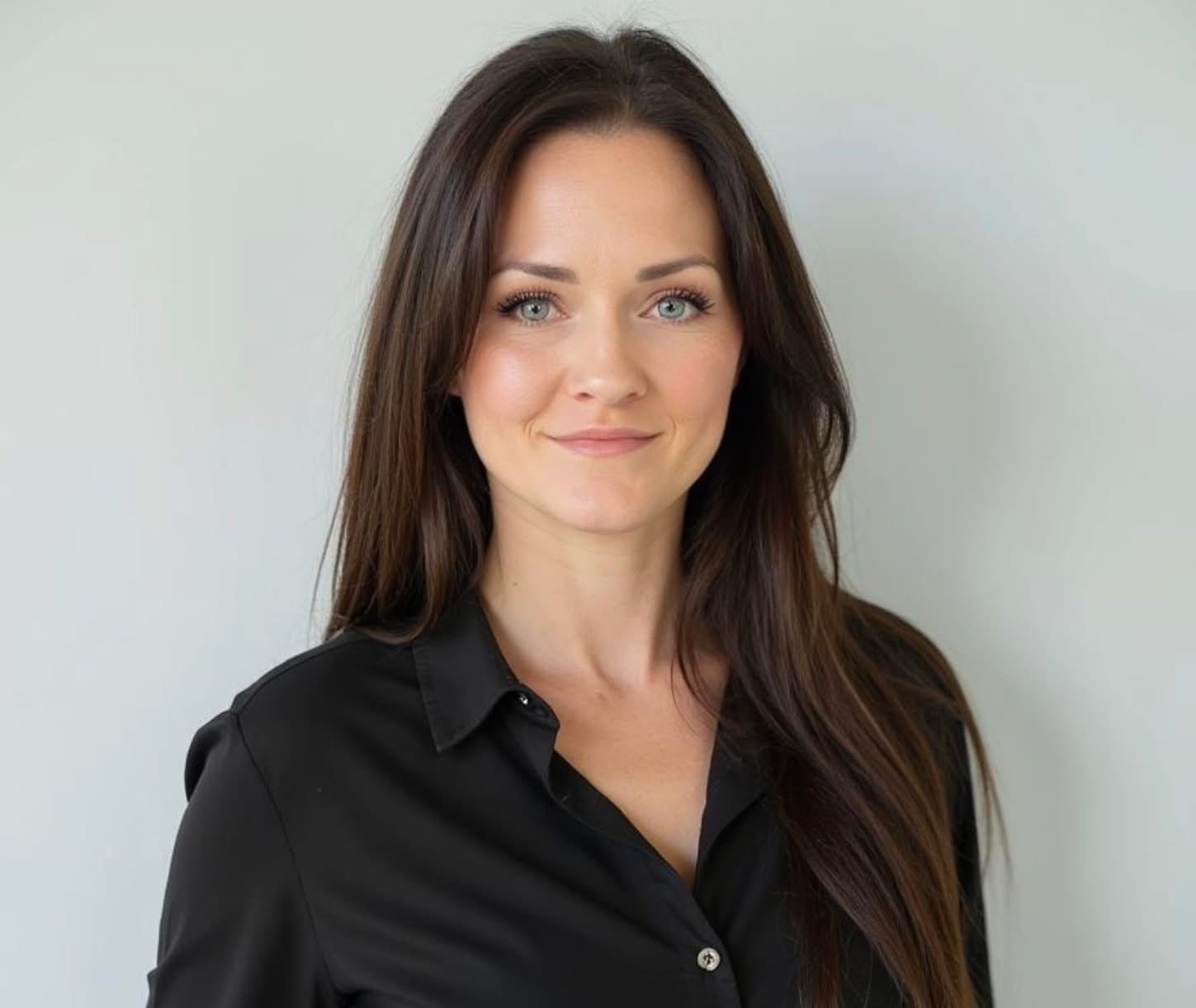
Tracy Buckholz is a leadership strategist, practice manager, and founder of Peak Potentials Coaching, where she partners with leaders and teams to build cultures rooted in accountability, clarity, and courageous leadership.
With a background in veterinary medicine and executive team development, Tracy brings real-world operational experience to every conversation. She specializes in helping leaders move from reactive management to intentional leadership — strengthening communication, eliminating double standards, and building high-trust environments where performance and culture grow together.
Through coaching, workshops, and consulting, Tracy challenges leaders to raise standards without sacrificing humanity. Her work focuses on practical accountability, emotional maturity in leadership, and creating teams that operate with both excellence and integrity.
When she’s not coaching or facilitating, Tracy is leading inside the organizations she serves — because she believes the most powerful leadership lessons are lived, not just taught.


Comments